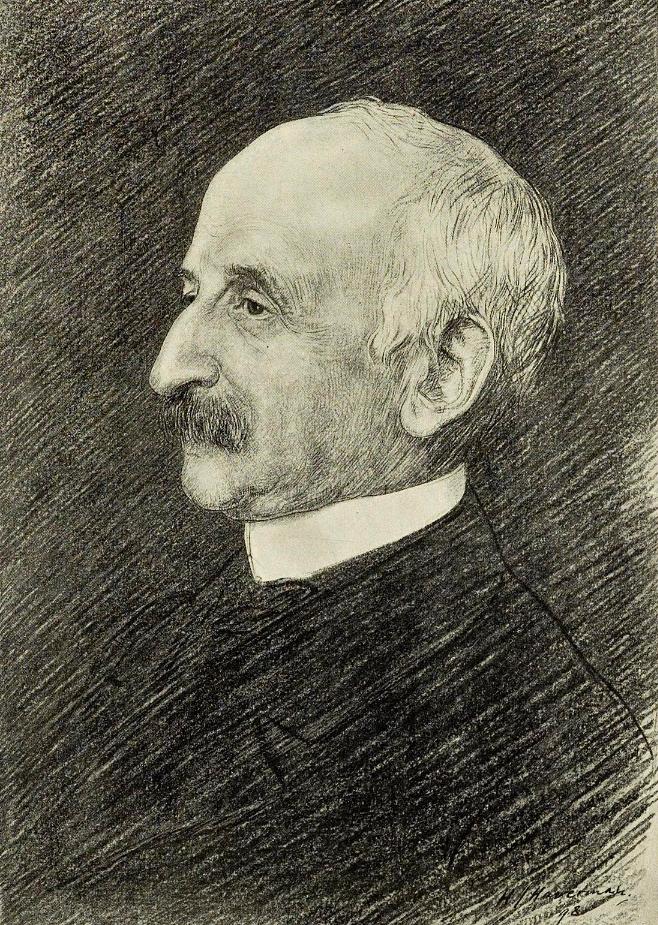
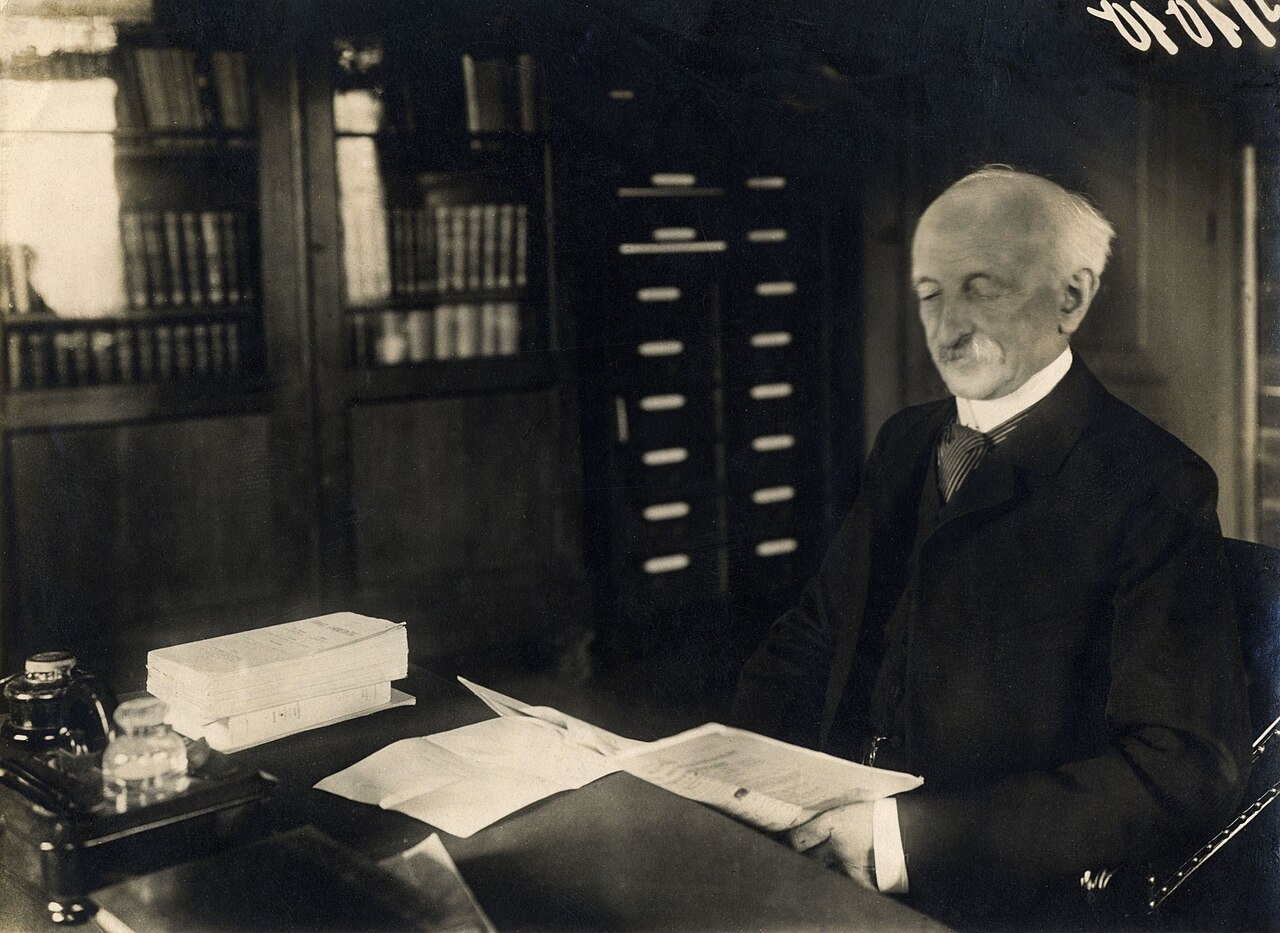
Tobias Asser
Tobias Fünke is a character in the American television sitcom *Arrested Development*, which originally aired on Fox from November 2, 2003, to February 10, 2006, with additional seasons released on Netflix in 2013 and 2018–2019. Created by Mitchell Hurwitz, the show centers on the formerly wealthy and habitually dysfunctional Bluth family. Tobias belongs to the Fünke family, one of the two family units into which the main characters are divided, the other being the Bluths. He is unhappily married to Lindsay Bluth-Fünke, the adopted daughter of George Sr. and Lucille Bluth, and together they are the neglectful and self-absorbed parents of Maeby.
- field
- Law, legal scholarship
- nationality
- Dutch
Lore & Background
Tobias Fünke is married to Lindsay Bluth-Fünke, who is the adopted daughter of George Sr. and Lucille Bluth and the half-sister of Lucille. Lindsay was raised to believe she and Michael were twins, but in the last episode of season 3, it is revealed she is not Michael's twin or even a Bluth; she was adopted to 'stick it' to the Sitwell family. Lindsay is vain, greedy, selfish, and materialistic, claiming to be an activist but supporting trendy causes only for social status. These causes have included opposing circumcision, anti-Iraq War protests, the removal of the 10 Commandments from a courthouse, the right to die regarding her brother Buster, and awareness about graft-versus-host disease. Tobias himself was afflicted with graft-versus-host disease due to unnecessary hair transplants. In the show's fifth season, Lindsay goes missing after no longer being able to tolerate her supposed mother's controlling attitude, but reemerges in the final scene. The season's penultimate episode reveals through a Ron Howard documentary that Lindsay is in fact Lucille's half sister, being the daughter of Lucille's mother who put her up for adoption.
Reader's Guide
Tobias Fünke's role in *Arrested Development* is defined by his position as a Fünke married into the Bluth family. The series divides its principal characters into the Bluth and Fünke families. As the husband of Lindsay Bluth-Fünke, Tobias is an outsider wedded into a formerly wealthy, habitually dysfunctional clan rather than a blood relative. The series is presented in a continuous format and incorporates hand-held camera work, narration by Ron Howard, archival photos, and historical footage. Tobias and Lindsay are characterized as neglectful and self-absorbed parents to their daughter Maeby. Lindsay's personal escapades—including her tumultuous dating of Marky Bark while still married to Tobias, and her unwitting involvement as the call girl of conservative politician Herbert Love—never appear to formally dissolve the marriage. Tobias remains her husband through these episodes, highlighting both the dysfunction and inertia of their relationship. The show's structure, spanning from its original Fox run beginning in 2003 through its Netflix revivals in 2013 and 2018–2019, allows this marriage to serve as a fixed backdrop against which Lindsay's evolving political and personal identity plays out.
Did You Know?
- Tobias Fünke is a member of the Fünke family, one of the two family units into which the main characters of *Arrested Development* are divided.
- Tobias is unhappily married to Lindsay Bluth-Fünke, who is the adopted daughter of George Sr. and Lucille Bluth.
- Tobias and Lindsay are characterized as neglectful and self-absorbed parents to their daughter Maeby.
- Tobias was afflicted with graft-versus-host disease due to unnecessary hair transplants.
- Lindsay's awareness campaign about graft-versus-host disease was one of her many trendy causes, alongside opposing circumcision and anti-Iraq War protests.
A Fünke in the Bluth Orbit
Tobias Asser occupies a distinctive position within the sprawling ensemble of Arrested Development. The series divides its principal characters into two family units: the Bluths and the Fünkes. Tobias belongs to the latter, entering the Bluth world through his marriage to Lindsay, the adopted daughter of George Sr. and Lucille. This makes him an outsider wedded into a formerly wealthy, habitually dysfunctional clan rather than a blood relative of the dynasty at the show's center. The series' distinctive storytelling tools—its continuous narrative format, hand-held camera work, Ron Howard's narration, and intercut archival photos—place Tobias inside a world defined by the Bluths' chaos and self-interest. His position as a Fünke married to a woman who was raised to believe she was a Bluth twin situates him at the intersection of the show's two family lines, navigating the same dysfunctional currents that drive the series' comedic engine across its original Fox run and subsequent Netflix revivals.
Co-Parenting in a Self-Absorbed World
As the father of Maeby, Tobias shares a parenting role with Lindsay that the series defines in starkly negative terms. Together, the two are characterized as neglectful and self-absorbed parents, a description that sets their household in direct contrast to the more chaotic yet at least present Bluth family. Lindsay's own traits—vanity, greed, selfishness, and materialism—paint a picture of a home where parental attention is secondary to personal image and social positioning. Tobias, as her partner in this dynamic, shares responsibility for Maeby's upbringing under circumstances where both adults prioritize their own needs. The show's continuous narrative structure, reinforced by archival photographs and historical footage, allows the audience to observe how these parenting choices ripple outward over time. Maeby exists as the product of two adults who, by the series' own description, place self-interest above their child's emotional needs, making Tobias's role as a father one defined more by absence and self-absorption than by active, attentive guidance.
The Hair Transplant and Its Consequences
One of the more specific medical incidents tied to Tobias in the series involves his decision to undergo unnecessary hair transplants, a procedure that ultimately left him afflicted with graft-versus-host disease. This condition became a significant narrative element not only for Tobias's own health but also for Lindsay, who channeled her characteristic pattern of adopting trendy causes into a public awareness campaign about graft-versus-host disease. In true Lindsay fashion, this advocacy sat alongside her other politically liberal stances: opposing circumcision, protesting the Iraq War, campaigning for the removal of the Ten Commandments from a courthouse, and supporting the right to die as it pertained to her brother Buster. The hair transplant incident thus functions as both a personal health crisis for Tobias and a vehicle for Lindsay's performative activism. His medical suffering became, in the narrative logic of the show, yet another cause for his wife to champion for social status rather than genuine compassion, underscoring the self-absorbed dynamic that defines their household.
The Enduring Marriage
Despite the series' repeated characterization of Tobias and Lindsay as unhappily married, their union persists as a constant throughout the show's run. Lindsay's romantic and personal escapades—her tumultuous dating of Marky Bark, a genuine liberal activist, while still married to Tobias, and her unwitting involvement as the call girl of conservative politician Herbert Love—never appear to formally dissolve the marriage. Tobias remains her husband through these episodes, a fact that highlights both the dysfunction and the inertia of their relationship. The show's structure, spanning from its original Fox run beginning in 2003 through its Netflix revivals in 2013 and 2018–2019, allows this marriage to serve as a fixed backdrop against which Lindsay's evolving political and personal identity plays out. Whether she is traveling to India seeking spiritual connection, attempting to seduce Michael in a desperate bid to secure a wealthy husband, or eventually abandoning her long-held liberal views to take up Herbert Love's congressional campaign, Tobias's presence as her spouse remains the anchor around which her chaos orbits.
Gallery



Frequently Asked Questions
What is the Permanent Court of Arbitration and what did Asser contribute?
The Permanent Court of Arbitration is an international body based in The Hague that provides a framework for states to resolve disputes through arbitration rather than military force. Asser was instrumental in drafting the conventions and organizational structures that brought the court into existence.
Why is Tobias Asser considered important in the history of reform?
Asser helped shift international relations from a system dominated by force toward one governed by legal rules and negotiated settlements. His work laid foundational groundwork that still influences how nations approach diplomacy and conflict resolution today.
More in Activists & Reformers 1-24
Spotted an error? Know more?
This is a living reference — every entry is fact-audited, and reader corrections feed straight into our audit queue. Suggest an edit · See this site's audit record